The most common welding mistakes and how to avoid them
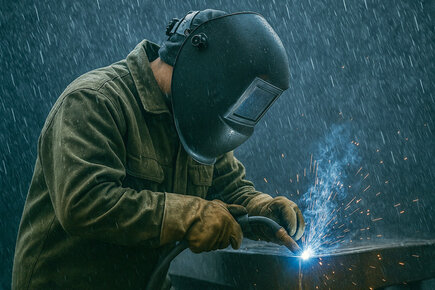
Welding is a process of joining materials using heat and pressure. Even experienced welders can sometimes make mistakes that affect the quality of the weld. Identifying these mistakes and preventing them is crucial to achieving high-quality and safe welds.
💥 Incorrect Welding Machine Parameter Settings
Incorrect settings of parameters such as current, voltage, and wire feed speed can lead to various weld defects. It is important to adjust these parameters according to the material type and welding requirements.
Recommended settings for different materials:
| Material | Current (A) | Voltage (V) | Wire Feed Speed (m/min) |
| Steel | 150–200 | 20–25 | 1.5–2.5 |
| Aluminum | 100–150 | 18–22 | 1.0–1.8 |
| Stainless Steel | 180–220 | 22–28 | 1.2–2.0 |
Note: The listed values are approximate and may vary depending on specific conditions and welding machine type.
🙅♂️ Use of Improper Welding Techniques
Incorrect torch handling techniques, such as an improper angle or irregular movement, can result in uneven welds. It is important to follow proper techniques to avoid these issues.
Recommendations for proper welding technique:
- Torch angle: Maintain an angle between the torch and the weld of 15° to 20°.
- Welding speed: Try to maintain a constant speed to ensure a uniform weld.
- Torch movement: Use smooth and controlled movements to achieve a quality weld.
📉 Welding Errors Caused by Material
Insufficient Surface Preparation Before Welding
Contaminants on the surface of the welded material, such as oil, rust, or paint, can affect the weld quality. Thorough surface cleaning is essential before welding.
Recommended surface cleaning methods before welding:
- Mechanical cleaning: Use wire brushes or grinders to remove rust and debris.
- Chemical cleaning: Apply degreasers or special cleaning agents to eliminate oil and grease.
- Sandblasting: Use sandblasting for hard-to-reach areas to ensure a clean welding surface.
Incorrect Selection of Welding Materials
The use of incorrect or poor-quality welding materials can lead to weak or defective welds. It is important to select materials compatible with the base metal and welding requirements.
Tips for selecting the right welding materials:
- Consultation with supplier: Work with experts to choose suitable wires or electrodes.
- Batch control: Ensure all welding materials come from the same production batch to maintain consistent quality.
- Storage of materials: Store welding materials in a dry place and protect them from contamination.
📉 Errors Caused by Welding Equipment
Insufficient Maintenance and Equipment Check
Improperly functioning or poorly maintained equipment can cause various problems, such as shutdowns or inconsistent welds. Regular maintenance and inspection of the equipment are essential for optimal performance.
Recommended maintenance practices for welding equipment:
- Regular inspection: Check the condition of cables, torches, and other components before each use.
- Cleaning the equipment: Remove dust and debris from ventilation and other critical parts of the machine.
- Calibration: Regularly verify and adjust the equipment parameters according to the manufacturer's specifications.
Selection of Inappropriate Welding Equipment
Choosing welding equipment with a low duty cycle can significantly affect the efficiency and quality of welding. Such equipment is prone to overheating during extended use, leading to damage and reduced service life.
Recommendations for selecting equipment with suitable technical specifications:
- Duty cycle (operating efficiency): Select equipment with a suitable duty cycle that matches your welding task requirements. A higher duty cycle allows for longer continuous welding without cooling breaks.
- Input voltage: Ensure the equipment is compatible with the available voltage at your workplace.
- Current range: Choose equipment that provides the required welding current range for various applications.
- Cooling: Verify the equipment has effective cooling—air or water—to prevent overheating during heavy use.
- Portability: If mobility is important, consider the weight and size of the unit for easier handling and transport.
⛈️ Errors Caused by the Environment
The work environment plays a key role in welding quality and safety. Improper conditions can lead to health risks and negatively impact weld quality.
Insufficient Workplace Ventilation
Welding produces harmful smoke and gases that can damage the respiratory system and overall worker health.
Risks associated with poor ventilation during welding:
- Acute effects: Eye, nose and throat irritation, nausea and headaches.
- Chronic effects: Long-term exposure may lead to chronic respiratory diseases such as bronchitis or asthma.
- Carcinogenic effects: Some components of welding fumes may be carcinogenic and increase the risk of lung cancer.
Ensuring proper ventilation and respiratory protection:
- Local Exhaust Ventilation (LEV): Install devices to directly extract fumes near the welding area.
- General ventilation: Ensure a sufficient supply of fresh air to the workspace.
- Protective equipment: Use appropriate respirators or masks to protect the respiratory system from harmful fumes.
Impact of temperature and climatic conditions
Extreme temperatures and humidity can affect the welding process and weld quality.
How extreme temperatures and humidity affect the welding process:
- Low temperatures: Can cause material brittleness and reduce weldability.
- High temperatures: Increase the risk of deformation and affect mechanical properties of the weld.
- Humidity: Can lead to blistering and other weld defects.
Tips for adapting working conditions and welding techniques:
- Material temperature control: Allow the material to reach room temperature before welding to prevent thermal shock.
- Heat input management: Adjust welding parameters to minimize thermal deformation.
- Moisture protection: Store base and filler materials in a dry environment and protect them from moisture during welding.
Following these recommendations helps ensure a safe and efficient welding environment, resulting in higher weld quality and better protection of workers’ health.
⚠️ Welding defects caused by the environment:
| Defect | Cause (external influence) | Effect on weld |
| Porosity | Draft, wind, humidity | Bubbles, weakened weld, potential cracks |
| Oxidation (TIG weld discoloration) | Insufficient gas shielding due to wind or draft | Brittle, porous weld, reduced corrosion resistance |
| Cracks (especially cold cracking) | Low ambient temperature, rapid cooling | Brittle weld, structural defects |
| Inclusions (impurities) | Dusty or dirty environment, contaminants on material | Internal defects, reduced strength |
| Lack of fusion (poor melting) | Cold material, condensation | Insufficient penetration, weak joint |
| Reduced visibility of the weld area | Direct sunlight or poor lighting | Technique errors, inaccurate torch guidance |
| Unexpected arc extinguishing | Strong wind, temperature or voltage fluctuations | Irregular weld, penetration problems |
| Post-weld corrosion | Welding in humid or salty environment (e.g. near the sea) | Rapid weld degradation, especially in stainless steel |