- Welding machines
- Welding torches
- Additional welding materials
- Abrasive & Cutting Material
- Protective equipment and clothing
- Tools
- Accessories

- Bevellers

- Cordless hand tools

- Accumulator multi-tool

- Batteries for cordless tools and chargers

- Cordless Extrusion and Hot Melt Guns

- Cordless Grease Guns

- Cordless Tool Sets

- Cordless compressors and pumps

- Cordless drilling and demolition hammers

- Cordless drills

- Cordless garden equipment

- Cordless grinders

- Cordless impact wrenches

- Cordless riveting machines

- Cordless saws

- Cordless soldering irons

- Cordless work lights

- Testers, Meters & Inspection Cameras

- Accumulator multi-tool
- Hand Tools

- Magnetic drills

- Power tools

- Punchers

- Storage systems

- Accessories
- Other products


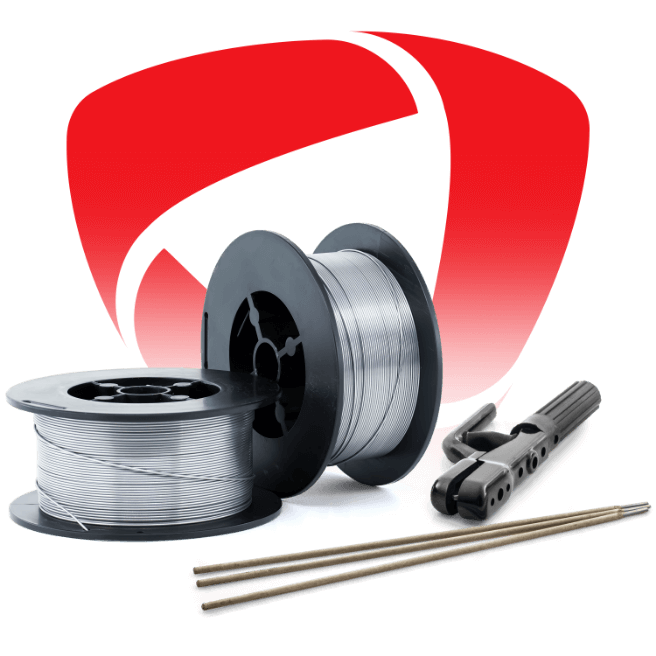
Welding electrodes - 6.8 kg
Hardfacing electrodes are specially developed welding electrodes used to create or restore hard, resistant layers on the surfaces of metal components. Their main purpose is to improve the mechanical properties of the base material and increase its resistance to wear, corrosion, and other extreme operating conditions. Hardfacing electrodes are essential for effective maintenance and repairs across various industrial sectors where components are exposed to intensive loads and aggressive environments.
Composition and Characteristics: The core of hardfacing electrodes is made from materials selected according to the requirements of the specific application. It may contain various alloys, such as high-alloy steels, nickel or cobalt alloys, or alloys with a high carbide content, such as chromium carbide or tungsten carbide. These materials are designed to provide excellent hardness and wear resistance. The coating of hardfacing electrodes contains components that ensure optimal welding properties. It may contain chemical compounds such as oxides, fluorides, or other additives that improve welding arc stability, protect the weld pool from contamination, and ensure good adhesion of the hardfacing layer to the base material. The coating may also reduce harmful emissions and stabilize the arc.
Technical Properties: Hardfacing electrodes provide welds with high hardness and excellent wear resistance. This factor is critical for applications where high mechanical stress is expected or where protection against abrasion and erosion is required. For applications where hardfacing layers are exposed to chemicals or corrosive environments, the electrodes are formulated to ensure high corrosion resistance. These properties reduce material degradation and extend the service life of components. Hardfacing electrodes for high-temperature applications are designed to withstand thermal cycles and maintain their mechanical properties at elevated temperatures. This type of electrode is essential for applications in the energy and aerospace industries, where they are exposed to extreme temperatures.
Applications: Hardfacing electrodes are used to restore and repair worn or damaged machines and equipment. This process extends the service life of machinery and reduces the cost of replacing parts. In the construction and mining sectors, these electrodes are used for welding and repairing components exposed to extreme mechanical and environmental conditions. They are used for hardfacing and repairs in metalworking processes where the surface properties of parts need to be improved.
Storage and Handling: Hardfacing electrodes should be stored in a dry and clean environment to prevent contamination or degradation. Some electrodes may require controlled temperature and humidity conditions to ensure optimal performance. When handling the electrodes, it is important to protect them from moisture and dirt. Electrodes should be kept in sealed packaging to prevent damage.
Advantages: The use of hardfacing electrodes significantly extends the service life of repaired or modified components by increasing their resistance to wear and corrosion. They ensure high quality and integrity of welded joints, reducing the risk of component failure or damage. Efficient repair and maintenance using hardfacing electrodes can reduce the cost of replacement parts and improve operational efficiency.
Hardfacing electrodes are critical for ensuring the long-term performance and durability of metal components in demanding operating conditions. Their use contributes to effective maintenance and performance optimization across various industrial applications.
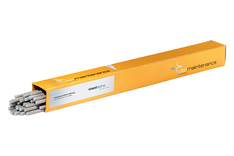 Elektródy BOHLER WEARstick Dur 650 5,0x450mm/6,3kg/65ks (60625) náhr.UTP DUR 650 Kb
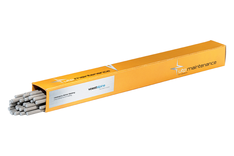 Elektródy BOHLER WEARstick Dur 650 4,0x450mm/6,7kg/105ks (11004) náhr.UTP DUR 650 Kb

Electrodes BOHLER WEARstick Dur 650 3.2x450mm/6.8kg/160 pcs (11003) replacement UTP DUR 650 Kb
17,90 € incl. tax


Popular product brands



























ZVARCENTRUM - VALTEC
VALTEC spol.s r.o., in the ZVARCENTRUM division, focuses on the entire range of products necessary not only for welders. Sales of welding equipment and accessories, attachments and consumables, power tools, AKU and hand tools, and sales of technical gases. In terms of services, we offer professional servicing of welding equipment, accessories and tools and sales of technical gases.
Address
Opening hours
Contact
VALTEC spol. s r. o.
Lieskovská cesta 13
962 21 Lieskovec
View on the map
| Monday: | 7:00 - 16:00 |
| Tuesday: | 7:00 - 16:00 |
| Wednesday: | 7:00 - 16:00 |
| Thursday: | 7:00 - 16:00 |
| Friday: | 7:00 - 16:00 |
| Saturday: | Closed |
| Sunday: | Closed |

Lieskovská cesta 13
962 21 Lieskovec