Guide to choosing cordless hand tools
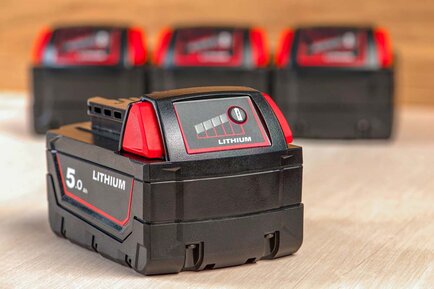
Cordless hand tools represent a modern solution for anyone who requires maximum flexibility at work without compromising on performance.
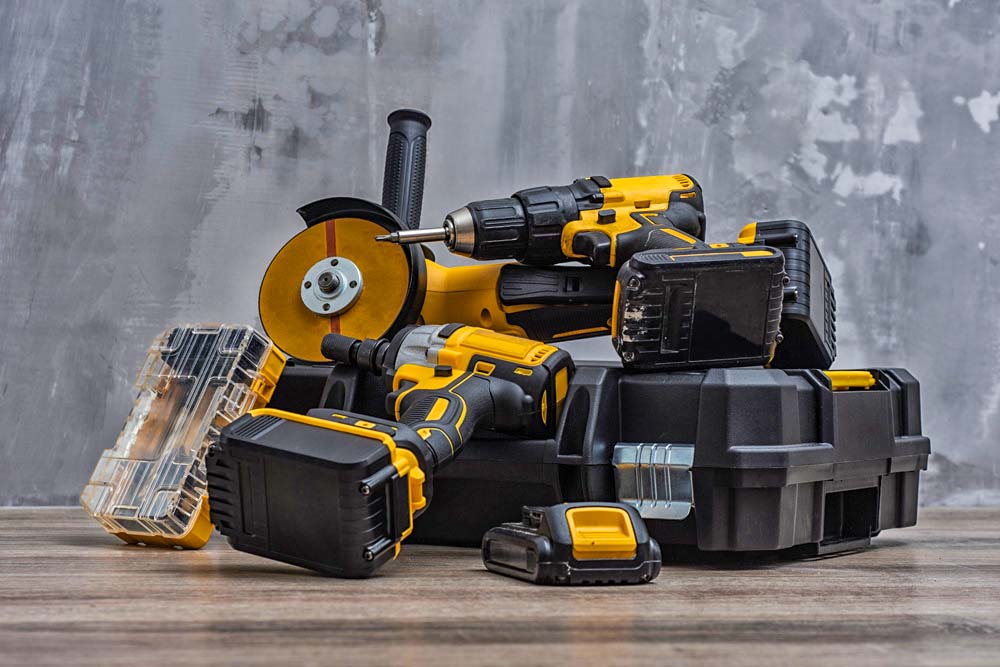
Cordless hand tools offer a modern solution for anyone who demands maximum flexibility at work without compromising on performance. Thanks to the continuous development of battery technologies, these tools now offer parameters comparable to traditional corded electric tools – with the added benefit of full mobility.
With both professional and DIY cordless tools, you can access areas without an electrical connection – no need for extension cords or generators. Whether you’re working in a workshop, on a construction site, or in the garden, cordless solutions let you work quickly, safely, and comfortably, while reducing the risk of tripping over cables and simplifying tool handling.
Why Are Cordless Tools Becoming Increasingly Popular?
Cordless tools are becoming increasingly popular among both DIYers and professionals. The main reason is independence from the electrical grid, which provides freedom of movement and the ability to work in more demanding environments – such as rooftops, at height, or outdoors away from buildings.
Customers also appreciate easier storage and transport, as there’s no need to handle long cords. Modern cordless tools are often more compact, quieter, and lighter than their corded counterparts, which enhances comfort during use.
Advantages of Working Without Cables
Working without cables eliminates many of the issues faced by users of traditional corded tools. No cables means no tripping hazards, no damaged power cords, and no range limitations. This leads to faster, safer, and more efficient work.
Another advantage is immediate usability – just charge the tool and take it wherever you need. For professional installations, service calls, or garden work, this convenience offers significant added value.
Technological Advancements in Battery Technology
Recent years have brought significant changes in battery development. Modern Li-ion batteries are lightweight, charge quickly, and do not suffer from memory effect. They also provide consistent high performance throughout operation without significant power drop.
Thanks to advanced electronics in batteries, it's possible to monitor temperature, capacity, and output – which extends battery life and increases user safety. Many brands today offer compatibility of one battery with multiple tools, saving both time and money.
What Types of Cordless Tools Are Most Common?
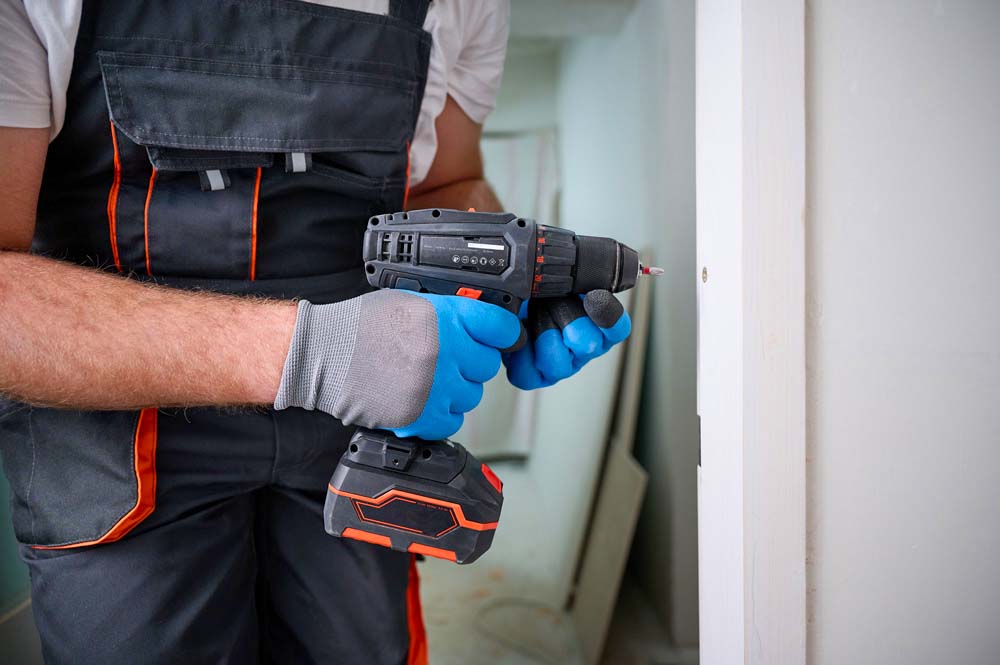
Cordless hand tools cover a wide range of needs – from basic household tasks to demanding construction work. The variety of available tool types allows each user to choose the exact tool that suits their work style and requirements.
Among the most used categories are cordless drills and screwdrivers, essential for assembling furniture or drilling into various materials. In addition, cordless saws, grinders, hammers, and specialized tools are increasingly being adopted, pushing the boundaries of cable-free use to a new level. Each of these tools has its own features and benefits, which we’ll explore in the following sections.
Cordless Drills and Screwdrivers
Cordless drills and screwdrivers are among the most popular types of battery-powered tools. Their applications are broad – from simple furniture assembly to drilling into wood, metal, or masonry. With adjustable torque settings and switchable functions, they are versatile helpers at home and on construction sites.
Modern models feature ergonomic grips, LED work lights, and quick-release chucks, enhancing work comfort. More powerful versions can handle tougher materials while remaining portable and easy to use without needing an electrical outlet.
Cordless Grinders
Cordless grinders provide high performance and full freedom of movement when grinding, cutting, or polishing various materials. Compared to corded versions, they allow easier handling—especially in hard-to-reach or outdoor areas where electricity is unavailable.
The most common options include angle grinders (commonly called “flex”), ideal for cutting metal, concrete, or tiles. Some models feature variable speed control, brushless motors for extended lifespan, and safety features that reduce kickback when the disc jams. Their compactness and high flexibility make cordless grinders ideal for both professionals and DIYers.
Cordless Saws (circular, jigsaw, reciprocating)
Cordless saws offer efficient cutting without needing a power outlet. They are designed for quick cutting of wood, metal, and plastics with high precision and unrestricted movement. As a result, they are popular for installations, renovations, and outdoor tasks.
The most common types include:
- Circular saws – ideal for long, straight cuts in wood or OSB boards.
- Jigsaws – suitable for cutouts, curves, and fine work in wood or plastic.
- Reciprocating saws – mainly used for rough cutting or demolition tasks requiring speed and flexibility.
These saws are often equipped with quick blade change systems, adjustable cutting depth, and kickback protection, enhancing safety and user comfort.
Cordless Hammers and Rotary Hammers
Cordless hammers and rotary hammers are invaluable for drilling into hard materials like concrete, brick, or stone. Their combination of rotation and hammering motion handles tough construction tasks without being limited by power cords.
These tools use a powerful hammer mechanism driven by a high-performance battery, ensuring sufficient force when drilling into masonry. Professional models also include features such as chisel mode, vibration damping, and electronic overload protection, significantly enhancing efficiency and comfort. Cordless hammers are ideal for electricians, plumbers, and builders who need mobility and power in a single device.
Specialized Cordless Tools
In addition to standard tools, this category includes specialized cordless equipment designed for specific tasks. These devices are tailored for professionals who need precise, fast, and safe solutions without relying on a power outlet.
The most common include:
- Cordless rivet guns – ideal for joining metal components where precision and strength are required.
- Cordless shears and cutting tools – designed for fast, clean cutting of sheet metal, cables, or plastics.
- Cordless multi-tools – allow sanding, cutting, or scraping in one device using interchangeable attachments.
These tools increase productivity and enable work in hard-to-reach places where corded tools would be difficult or impossible to use. One of their main advantages is that they often use the same battery system as core tools, making integration into your toolkit easier.
What to Focus on When Choosing Cordless Tools?
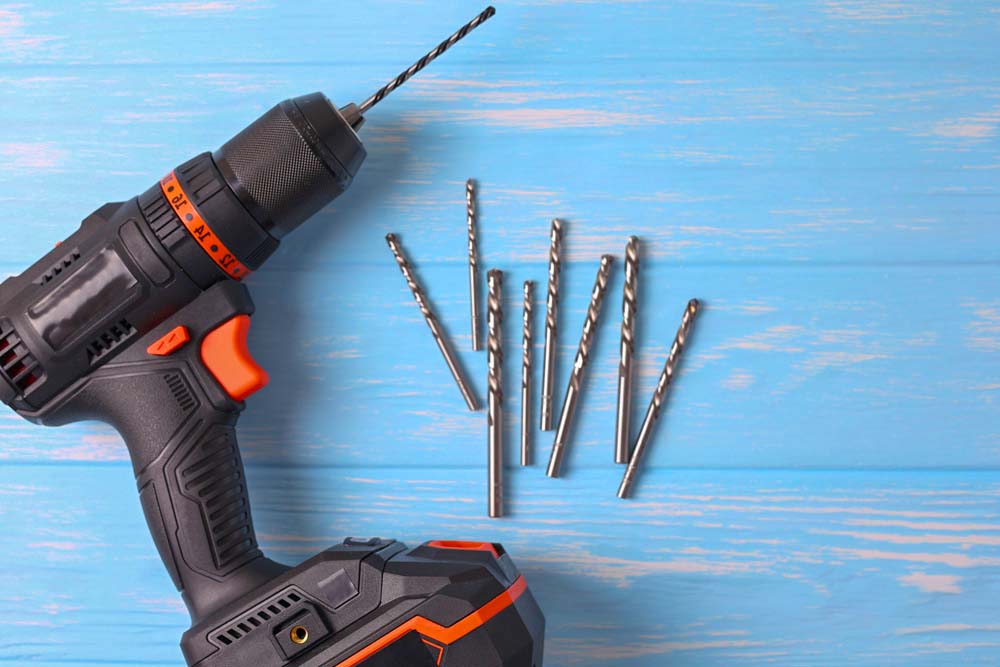
When selecting cordless tools, it's important to consider both technical and practical aspects. The right tool will not only simplify and speed up your work but also ensure a longer lifespan and better user experience.
Start by assessing the type of work you’ll be doing and match that to the motor power, battery type, runtime, and ergonomics. It’s equally important to check if the chosen model supports battery compatibility with other tools of the same brand, which saves costs and simplifies operations. In the following sections, we’ll explore each parameter in detail.
Motor Power and Battery Capacity
Motor power determines what level of work the tool can handle. For cordless tools, it’s important to look at the battery voltage (V) – the higher the voltage, the more powerful the motor. Typical home tools use 12 V or 18 V, while professional models reach 36 V or more.
Battery capacity, indicated in amp-hours (Ah), affects how long the tool can run on a single charge. A higher Ah value means longer runtime, but also more battery weight. For home use, 2–3 Ah is sufficient, but for heavy-duty tasks, it’s better to go with batteries of 4 Ah or more.
| Battery Voltage (V) | Typical Use | Capacity (Ah) | Runtime / Application |
| 12 V | Light home use | 1.5 – 2 Ah | Short-term, light-duty |
| 18 V | General purpose | 2 – 4 Ah | Versatile tasks |
| 36 V and above | Professional and construction | 4 – 6 Ah+ | Long and intensive use |
The right combination of power and battery capacity is essential for efficient and reliable work without unnecessary downtime.
Battery Type – Li-ion, NiMH or Others?
The type of battery significantly impacts performance, durability, and user comfort when working with cordless tools. Currently, lithium-ion (Li-ion) batteries dominate and are the standard in most high-quality models due to their exceptional characteristics.
Li-ion batteries are lightweight, have a high energy density, and do not suffer from the memory effect, meaning they can be charged at any time without reducing their capacity. They also feature low self-discharge, so they remain ready to use even after longer periods of inactivity.
In contrast, NiMH batteries (nickel-metal hydride) are heavier, more prone to self-discharge, and less efficient under high loads. Older NiCd batteries (nickel-cadmium) are now nearly obsolete due to environmental concerns.
Summary of Li-ion battery advantages:
- lightweight
- fast charging
- long runtime
- no memory effect
- longer lifespan
When choosing a tool, it's always worth selecting a model with a Li-ion battery, offering the best balance between performance, weight and reliability.
Charging Time and Battery Life
Charging time and battery life are among the key factors affecting work continuity. Fast-charging systems can recharge a battery in as little as 30 to 60 minutes, significantly reducing downtime. Some professional chargers even feature battery cooling during charging, which extends battery life and shortens total charge time.
On the other hand, battery life depends not only on its capacity (Ah), but also on the type of work and motor efficiency. Intensive cutting, drilling into hard materials, or grinding consumes more energy than light screwing tasks.
Pro tip: For efficient work without unnecessary downtime, it’s recommended to always have two batteries – one in use, the other charging. This ensures continuous operation even during longer tasks.
Tool Weight and Ergonomics
Weight and ergonomics significantly affect comfort at work, especially during long sessions or overhead use. Lighter cordless tools are better suited for fine assembly and frequent handling, while heavier models with higher power can provide more stability for demanding tasks.
It’s important that the tool fits well in your hand – non-slip grip, optimal balance, and intuitive controls are key to reducing fatigue and improving precision. Some models also offer adjustable handles or vibration damping, which is especially useful for grinding, chiseling, or prolonged drilling.
Choosing the right ergonomic tool directly impacts not only efficiency but also the user’s safety and health, so it should not be underestimated.
Battery Compatibility Within One Brand
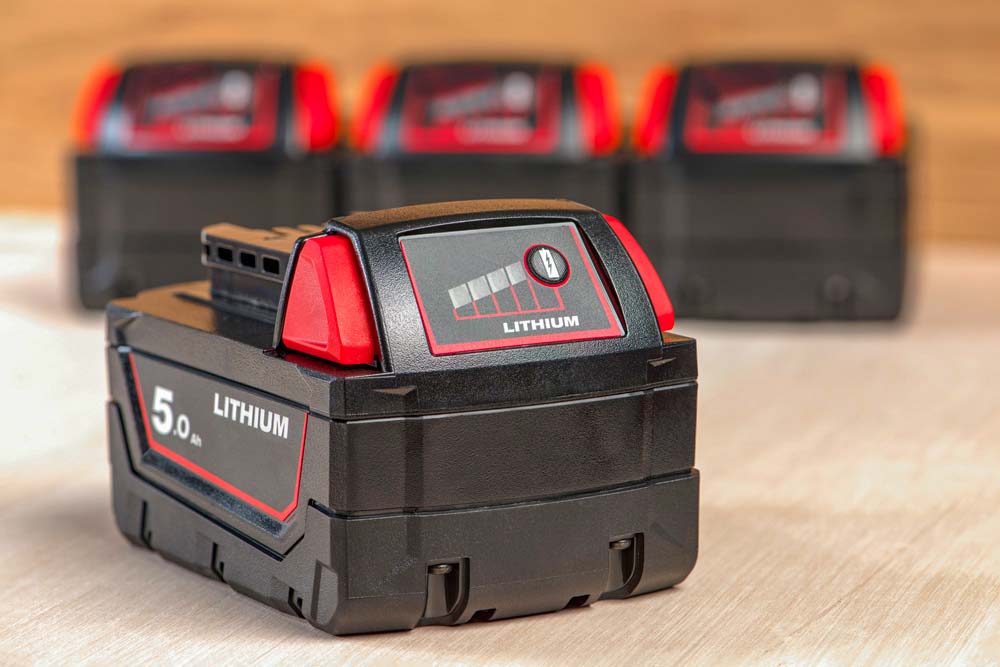
One of the greatest advantages of modern cordless tools is battery compatibility across multiple tools of the same brand. This means that a single battery and charger can power various tools – from drills to saws and even garden equipment, such as Milwaukee cordless tools, which we also offer in our e-shop.
So-called system platforms (e.g. 18 V, 36 V systems) allow you to build your own tool set without needing to buy new batteries and chargers for each tool. Besides saving money, you reduce the amount of required accessories and simplify storage.
Advantages of a unified battery system:
- fewer batteries and chargers
- quick battery swap between tools
- lower costs when expanding your toolset
- more flexibility when working on-site
When choosing a cordless tool brand, it’s worth considering how broad the selection of tools is within a single battery system.
When is it worth choosing cordless tools?
Cordless tools are the ideal choice wherever mobility, flexibility and quick accessibility without cables or power outlets are priorities. Whether you're doing home repairs, gardening, assembly, or professional construction work – cordless solutions save time and energy. A major advantage is the ability to work in places without access to electricity, such as outdoor sites, mobile service jobs, or remote areas. Thanks to battery technology advancements, cordless tools can now match corded ones even for demanding tasks, without compromising on performance.
Advantages of cordless tools
Cordless tools offer several significant benefits that make them an increasingly attractive choice. The greatest advantage is complete mobility – you can move freely without cable restrictions or needing nearby power sources.
Another advantage is greater safety at work, as there’s no risk of tripping over a cable, cutting it, or damaging it during use. Cordless tools also allow for quick deployment – without delays from plugging in or worrying about extension cords.
They also provide greater flexibility on-site, which is especially valuable during installations, repairs, working at heights, or in places without stable power. For many users, cordless tools are synonymous with comfort, speed, and efficiency.
Disadvantages and limitations
Although cordless tools offer many advantages, there are some limitations to consider before purchase. One main downside is the need for regular battery charging – especially during long or intensive work sessions, interruptions may be necessary to recharge.
Another factor is the higher upfront cost, particularly with high-quality models featuring powerful batteries and advanced features. However, the long-term investment often pays off in time savings and efficiency.
Also, weaker models may not deliver enough power for demanding tasks, where corded tools remain more suitable. Over time, batteries lose capacity and can be costly to replace – especially if your tools are not compatible across brands.
How to extend the lifespan of cordless tools and batteries?
Proper care of cordless tools is essential for maintaining their long-term functionality, reliability, and safety. Following basic maintenance rules can significantly extend the lifespan not only of the tools themselves but also their most expensive component – the battery.
Key habits include correct charging, proper storage, regular cleaning, and timely addressing of wear and tear. It is also important to use original or compatible parts and accessories designed for the specific tool type. The following sections explore each aspect of maintenance in more detail.
Proper charging and battery storage
How you handle batteries directly impacts their lifespan, performance, and safety during use. A common mistake is fully discharging the battery before recharging – modern Li-ion batteries do not require full discharge; in fact, it’s best to charge them regularly.
Batteries should be charged in a dry, well-ventilated area at room temperature. Avoid exposing them to extreme temperatures or moisture, which can damage cells or shorten battery life.
If not used for a longer period, it is recommended to store the battery charged to around 40–60% capacity and detach it from the tool. It’s also a good idea to check its condition occasionally and recharge slightly if needed to avoid deep discharge.
Motor and gearbox maintenance
To ensure reliable long-term operation of cordless tools, regular maintenance of the motor and gearbox is essential. While modern brushless motors require less servicing, it's still important to clean and inspect mechanical components.
After each use, remove dust and debris from the ventilation openings and tool surface. For tools with metal gears, it's advisable to check for lubrication from time to time, especially when used under heavy loads or in dusty environments.
When is it time for service or maintenance?
- if the tool overheats
- if you hear unusual noises during operation
- if there is a noticeable power drop
- if the operation is irregular or interrupted
In such cases, it’s advisable to have the tool inspected by a specialist or authorized service to avoid more serious damage.
Regular checks of cables, connectors and chargers
Although cordless tools do not use traditional power cords, they still include chargers and connectors, which play a crucial role in safe and efficient operation. Regular inspection of these parts helps prevent charging failures or even battery damage.
It is recommended to regularly:
- check the connectors on the battery and tool for dirt, corrosion, or mechanical damage
- inspect the charger's cables, especially where they enter the adapter, as these areas are most prone to bends or cracks
- ensure the charging station does not overheat and operates stably
Neglecting these checks can lead to unstable charging, short circuits, or significantly reduced battery life. If signs of damage appear, it's best to replace the component immediately with an original or verified spare part.

What to avoid to extend tool life?
When using cordless tools, the way you handle them plays a major role. Improper use, overloading, or lack of maintenance can greatly reduce the lifespan of the equipment and lead to premature wear.
To avoid this, it’s important to follow the recommended work procedures and not use tools outside their intended purpose. Below are the most common mistakes to avoid so your cordless tools remain reliable and long-lasting.
Overloading the motor and misuse
One of the most common mistakes is overloading the motor, which happens when a tool is used for tasks it was not designed for. For example, using a light cordless drill for drilling into concrete without hammer function, or applying excessive pressure when grinding hard materials.
Overloading leads to increased motor heating, wear of bearings and electronic components, which can result in permanent damage. Many modern models include electronic overload protection, but this does not always prevent all consequences.
It is important to follow:
- recommended power and intended use for each tool
- avoid continuous operation under heavy load
- use proper attachments and accessories
Proper usage extends the lifespan of the tool and reduces the risk of malfunctions during work.
Fully discharging a battery, especially with Li-ion technology, can significantly shorten its lifespan or even render it unusable. Unlike older NiCd batteries, modern Li-ion cells do not require full discharge before charging – on the contrary, frequent deep discharge is harmful.
If a battery is left completely discharged for a long time, it may suffer from so-called deep discharge, causing irreversible damage to its cells. As a result, it may no longer be rechargeable, even with a fast charger.
It is recommended to:
- charge the battery when performance drops, not only after the tool shuts down
- avoid storing batteries in a fully discharged state
- monitor idle batteries and recharge them periodically
Following these rules will help your batteries maintain optimal performance and capacity as long as possible.
Using Improper or Non-Original Batteries
Using non-original or incompatible batteries can have serious consequences not only for your tools but also for your safety. While cheaper alternatives might seem attractive, they often lack proper build quality, electronic protection, and communication with the tool.
Such batteries can:
- cause overheating or reduce motor lifespan
- disrupt proper charging functionality
- pose a risk of short circuits, leakage, or even fire
Original batteries are tested and optimized for specific tools, ensuring maximum efficiency, performance, and safety. When replacement is needed, it's best to invest in a trusted brand or a certified compatible alternative from a reputable manufacturer.