- Welding machines
- Welding torches
- Additional welding materials
- Abrasive & Cutting Material
- Protective equipment and clothing
- Tools
- Accessories

- Bevellers

- Cordless hand tools

- Accumulator multi-tool

- Batteries for cordless tools and chargers

- Cordless Extrusion and Hot Melt Guns

- Cordless Grease Guns

- Cordless Tool Sets

- Cordless compressors and pumps

- Cordless drilling and demolition hammers

- Cordless drills

- Cordless garden equipment

- Cordless grinders

- Cordless impact wrenches

- Cordless riveting machines

- Cordless saws

- Cordless soldering irons

- Cordless work lights

- Testers, Meters & Inspection Cameras

- Accumulator multi-tool
- Hand Tools

- Magnetic drills

- Power tools

- Punchers

- Storage systems

- Accessories
- Other products


Welding machines


MIG/MAG, TIG, MMA, laser and spot welders for steel, stainless steel, aluminium and other metals. Solutions for workshops, service and production. Welders are essential equipment for joining metal materials in workshops, service centres, assembly operations and industrial production. Depending on the type of work, material and required weld quality, you can choose from MIG/MAG, TIG, MMA, laser or spot welding technologies. These methods differ in the welding process, filler material, shielding gas and area of application. MIG/MAG welders are suitable for productive welding of steel and non-ferrous metals, TIG welders for precise and clean welds, and MMA welders for versatile applications and assembly work. Laser and spot welders are particularly suitable for applications where high precision, speed and repeatability of the welding process are essential.
What are the main types of welding machines?
Welding machines are divided into different types, each offering specific advantages and designed for particular applications. The most common types include MIG/MAG welding, which is ideal for fast and efficient welding of various metals; TIG welding – provides high precision and clean welds; MMA (electrode) welding – easy to use and suitable for outdoor environments; Laser welding – uses a laser beam to melt and join materials with high precision; and resistance spot welding – uses electric current and pressure to join materials. Each welding machine type is suited to different materials and work conditions, so it is essential to choose the right one based on the project's requirements.
 MIG/MAG welding (Metal Inert/Active Gas)
- Arc welding under shielding gas (inert or active).
- Uses wire fed automatically.
- MIG for non-ferrous metals (Ar, He); MAG for steel (CO₂, Ar+CO₂)
 TIG welding (Tungsten Inert Gas)
- Arc welding using a non-consumable tungsten electrode in inert gas (argon).
- High weld quality, suitable for thin materials and stainless steel.
 MMA welding (Manual Metal Arc)
- Manual welding with a coated electrode that produces a protective slag when burning.
- Versatile – usable outdoors and in various positions.
 Laser Welding
- Welding with a concentrated laser beam.
- Very precise, small heat-affected zone, high speed.
 Spot Welding
- Welding by pressing and passing current through joints.
- Common in mass production of sheet metal parts (automotive industry).
Why is Choosing the Right Welder Important?
To ensure high-quality and safe work, it's important to consider factors such as the type and thickness of the material, mobility requirements, power supply, and energy consumption. Choosing the right welder significantly affects both the quality of the work and the safety of welding operations.
Key factors to consider when choosing:
- Type of material – different welders are suited for different materials like steel, aluminum, or stainless steel.
- Material thickness – affects the welder's required power.
- Mobility and size – if you'll work in multiple locations, go for a portable machine.
- Energy consumption – influences the choice between single-phase and three-phase models.
- Long-term investment – a quality welder lasts years with minimal repairs.
- Safety – inappropriate machines may lead to fire or electric hazards.
- Time and energy savings – a well-chosen machine is more efficient and productive.
How to Choose the Right Welder?
Before purchasing a welder, it’s important to consider what materials you’ll weld, their thickness, how often the device will be used, and your specific needs.
Consider your experience level
- Beginner – recommended types: MMA or MIG/MAG (easier to learn)
- Advanced – can opt for TIG or combination machines (e.g. MMA+TIG)
Materials You’ll Work With
One of the most important factors when choosing a welder is the type of materials you’ll commonly weld. Not all welders are suitable for all types of material.
Consider material types and thickness:
- Steel, stainless steel → general welding (MMA, MIG/MAG)
- Aluminum, copper → sensitive materials (TIG, MIG with shielding gas)
- Thin sheets → TIG or MIG
- Thick profiles → MMA or more powerful MIG/MAG
Thickness of Welded Material
The welder’s power is a key factor, as it determines what thickness of material can be welded effectively. Lower-powered machines are ideal for thin materials, while thicker ones require more powerful devices.
Mobility and Size of the Machine
If you need to move the welder frequently, consider its weight and size. Portable models are smaller and lighter, ideal for use at multiple locations. If you're welding mainly in a fixed environment, stationary high-performance units are more suitable.
Decide based on the location and frequency of use
- Home, hobby use – lightweight, portable welder with lower power (up to 160 A)
- Workshop, professional – robust, high-performance machine (200 A and above)
- Outdoor use – MMA without gas (resistant to wind and environmental conditions)
Power supply and energy consumption
Decide whether you need a single-phase or three-phase welding machine. Single-phase units are ideal for home users or small workshops, while three-phase models are more suitable for industrial applications. Don’t forget to check the energy consumption to ensure your power supply can handle the machine’s demand.
Check the technical specifications
- Input voltage – 230 V (home) or 400 V (industrial)
- Power (amperage) – depends on material thickness (e.g., 3 mm steel ≈ 100 A)
- Duty cycle (%) – indicates how long you can weld continuously
- Features – e.g., Hot Start, Anti Stick, Lift TIG, display, memory functions
Manual and automated welding
Consider the level of automation that best suits your needs:
Manual welding:
- Cheaper, more flexible, great for varied or small production runs.
- Types: MMA, basic MIG/MAG, TIG
Automated welding:
- Higher precision, speed, and repeatability.
- Ideal for high-volume or industrial production.
Types: Robotic MIG/MAG, automated TIG stations, laser welding systems
Modern solutions provide advantages in accuracy, productivity, and reduced error rates compared to traditional manual methods.
Choose the Right Welding Method
| Method | Suitable for | Advantages | Disadvantages |
| MMA (electrode) | thicker steel materials, outdoor use | cheap, simple | poorer weld appearance, more slag |
| MIG/MAG | steel, stainless steel, aluminum | fast, clean welds | requires gas, less mobile |
| TIG | aluminum, stainless steel, thin sheets | cleanest weld, precision | more complex operation, slower |
| Plasma cutter | cutting metals | clean cut | not welding, but a supplementary tool |
Maintenance and Care of Welding Machines
To ensure that the welding machine provides long-lasting and reliable performance, regular maintenance is essential. Proper care extends its lifespan, improves weld quality, and ensures safety at work.
Cleaning and Maintenance of Electrodes and Filler Materials
Electrodes are a key component of the welding process, and their proper maintenance directly impacts weld quality and efficiency.
Choosing suitable electrodes: It’s important to select electrodes compatible with the welding method and material. Proper selection ensures optimal heat transfer and a quality weld.
Storage of electrodes: Electrodes should be kept in a dry place, protected from moisture and extreme temperatures. Moisture can cause hydrogen cracks in the weld.
Cleaning electrodes: Before use, clean electrodes of dirt, rust, and oxides to ensure better contact and even heat transfer during welding.
Regular Inspections and Repairs
Regular inspections and timely repairs are necessary for the long-term and efficient operation of the welding machine.
Checking cables and connections: Routinely inspect power cables, grounding wires, and all connections. Damaged cables can cause sparking, overheating, or total failure.
Cooling system check: Many welders use active cooling. Ensure that the fan operates correctly and ventilation is unobstructed.
Repairing damaged parts: Cracked housings, worn switches, or damaged wiring must be repaired or replaced immediately to maintain safe operation.
Proper Storage of Welding Equipment
Proper storage of your welding machine is essential to protect it from external influences and ensure long-term functionality.
Protected environment: Store the welder in a dry, clean area, away from dust, moisture, and chemicals that could damage it.
Protection from temperature extremes: Avoid exposing the welder to extreme temperatures, which may affect its electronic and mechanical components. Ideal storage temperature: 10 °C to 30 °C.
Safe placement: Place the device on a stable, secure surface to avoid damage from falls or impacts. Use stands or shelves suitable for heavy equipment.
By following these practices, you ensure smooth, long-term operation of your welding equipment, leading to higher work quality and workplace safety.
Welding Equipment and Accessory Service at Valtec
At Valtec, we offer professional warranty and post-warranty service for welding machines. This includes repairs, maintenance, and expert advice to keep your equipment in top condition.
Repairs: Fast and reliable service for all types of failures.
Regular maintenance: Periodic inspections help maintain functionality and extend lifespan.
Spare parts and accessories: Guaranteed access to high-quality replacement parts.
Consultation: Expert support with selecting and using equipment.
More info at: Valtec Servis zváračiek.
Safety During Welding
Welding carries certain risks, so it is crucial to ensure protection for yourself and others. Proper adherence to safety measures can greatly reduce the chances of injuries, equipment damage, or hazardous incidents. Key factors include using personal protective equipment, ensuring proper ventilation, eye protection, and fire prevention.
Protective Equipment for Welders
When welding, it’s essential to use proper protective gear for welders to protect against various hazards. The most important items include:
- Welding helmet or shield – protects eyes and face from UV radiation and sparks.
- Protective gloves – shield hands from burns and injuries.
- Protective clothing – such as a welding coat or overall to guard the body against sparks, heat, and burns.
Ventilation and Fume Protection
Welding emits toxic fumes that can affect health. Adequate ventilation is critical. A proper fume extraction system helps reduce inhalation risks. In enclosed spaces, also use personal respiratory protection like a welding respirator.
Eye Protection from UV Radiation
Protect your eyes from UV rays when welding. In addition to a helmet, wear welding goggles with proper filters or welding hoods.
Fire Prevention
Fire hazards are inherent to welding. Keep flammable materials away from the work zone. Always check the area for dry and safe conditions. Keep fire extinguishers accessible.
Safety during welding is essential. Following safety measures protects workers and ensures smooth, uninterrupted welding operations.
Risk Assessment and Safety Regulations
As mentioned, welding involves multiple risks, so systematic risk assessment and compliance with safety regulations are necessary.
Risk Assessment for Welders
Identifying and evaluating potential hazards is key to ensuring safety. Welders face several risks, including:
- Physical risks: Exposure to heat, radiation, and noise.
- Chemical risks: Inhalation of welding fumes and gases.
- Mechanical risks: Injury from equipment or falling objects.
For effective risk assessment, it is advisable to prepare documents such as "Risk Assessment for the Job Position: WELDER", which help identify and analyze potential hazards and propose appropriate measures to minimize them.
Compliance with Safety Standards
To ensure welding safety, it is essential to comply with applicable safety standards and regulations that define requirements for technical equipment, protective gear, and working procedures. In Slovakia, a relevant standard is STN 05 0705:2019, which regulates basic welder qualification tests. These standards ensure consistent and safe practices in welding operations.
Training and Education in Welding Safety
Regular training and education are crucial for maintaining high safety standards in welding and adapting to new technologies and regulations.
Mandatory Training for Welders
Welders are required to complete accredited courses and training programs that confirm their expertise and qualification to perform welding work safely. In Slovakia, such training is provided by institutions like the Welding Research Institute (VUZ), which offers courses for metal welders and welding operators according to current standards.

Transport trolley JASIC TIG TR-02 (T0S2) 51002902
149,90 € incl. tax
Transport trolley with cabinet JASIC TIG TR-01 (T0S1) 51002901
209,90 € incl. tax
Semi-automatic MIG JASIC 200 PFC LCD with torch MB24/3m + ground cable, (N2S53) 51001010
999,99 € incl. tax 1 097,46 € without TAX
1 349,88 € incl. tax
Semi-automatic MIG JASIC 250 PFC with torch MB24/3m + ground cable, (N2SB2) 51001009
1 349,90 € incl. tax
Semi-automatic MIG JASIC 200 PFC with torch MB24/3m + ground cable, (N2S62) 51000845
949,90 € incl. tax
Semi-automatic MIG JASIC 160 with torch MB24/3m + ground cable, (N2S12) 51000850
799,90 € incl. tax
Inverter MMA JASIC ARC 200 PFC (Z2S42) 51005397
299,99 € incl. tax 260,07 € without TAX
319,89 € incl. tax
Clamp (chuck) M2.5 HBS (8250025)
18,20 € incl. tax
Inverter TIG BOHLER TERRA 180 TLH (77.57.00616) with torch ST1700 FX UD/8m
1 119,00 € incl. tax 2 439,69 € without TAX
3 000,82 € incl. tax
Semi-automatic JESS maxi MIG 250 (841.250.008) 400 V
2 028,52 € incl. tax
Semi-automatic LORCH MicorMIG 500 BasicPlus /224.5050.0/water/compact
8 589,09 € incl. tax
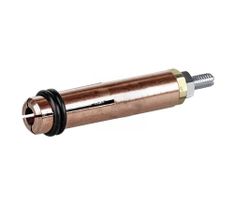
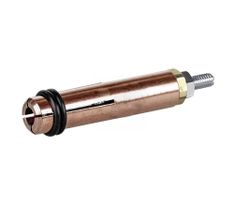
Chuck for welding nails 2.7mm HBS (8250027)
19,56 € incl. tax
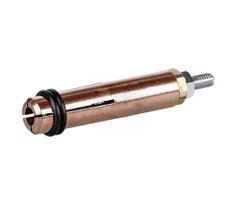
Chuck for welding nails 2mm HBS (8250020)
19,56 € incl. tax
Semi-automatic LORCH MicorMIG 500 ControlPro /224.5070.0/water/compact
8 808,03 € incl. tax
Inverter TIG BOHLER TERRA 180 TLH (77.57.00601) with torch ST1700 MP U/D 8m
2 373,90 € incl. tax
Chuck for welding nails 3mm HBS (8250030)
15,38 € incl. tax
Welding hammer BOHLER (61951)
7,38 € incl. tax
Adapter for reel 15/16kg K300 BOHLER /20.02.011/
29,52 € incl. tax
Chuck ISO G2 HBS (8004958) PMH-50
31,06 € incl. tax
Water Cooling Unit BOHLER WU 230 (71.03.073) for URANOS
1 463,70 € incl. tax
Holder HBS ceramic ferrule M8 (9mm) (80-31-120)
17,12 € incl. tax
Clamp (chuck) M4 HBS (8250004)
18,20 € incl. tax
Clamp (chuck) M3 HBS (8250003)
18,20 € incl. tax
Inverter LORCH Micor Stick 180 ControlPRO Accu ready VRD (111.1807.0)
1 600,23 € incl. tax


Popular product brands
























ZVARCENTRUM - VALTEC
VALTEC spol.s r.o., in the ZVARCENTRUM division, focuses on the entire range of products necessary not only for welders. Sales of welding equipment and accessories, attachments and consumables, power tools, AKU and hand tools, and sales of technical gases. In terms of services, we offer professional servicing of welding equipment, accessories and tools and sales of technical gases.
Address
Opening hours
Contact
VALTEC spol. s r. o.
Lieskovská cesta 13
962 21 Lieskovec
View on the map
| Monday: | 7:00 - 16:00 |
| Tuesday: | 7:00 - 16:00 |
| Wednesday: | 7:00 - 16:00 |
| Thursday: | 7:00 - 16:00 |
| Friday: | 7:00 - 16:00 |
| Saturday: | Closed |
| Sunday: | Closed |

Lieskovská cesta 13
962 21 Lieskovec