- Welding machines
- Welding torches
- Additional welding materials
- Abrasive & Cutting Material
- Protective equipment and clothing
- Tools
- Accessories

- Bevellers

- Cordless hand tools

- Accumulator multi-tool

- Batteries for cordless tools and chargers

- Cordless Extrusion and Hot Melt Guns

- Cordless Grease Guns

- Cordless Tool Sets

- Cordless compressors and pumps

- Cordless drilling and demolition hammers

- Cordless drills

- Cordless garden equipment

- Cordless grinders

- Cordless impact wrenches

- Cordless riveting machines

- Cordless saws

- Cordless soldering irons

- Cordless work lights

- Testers, Meters & Inspection Cameras

- Accumulator multi-tool
- Hand Tools

- Magnetic drills

- Power tools

- Punchers

- Storage systems

- Accessories
- Other products


Additional welding materials


📑Types of Welding Filler Materials and Their Uses
What types of filler materials are used in welding?
Filler materials are divided according to the welding process and the type of metal carrier. Each type is designed for a different technology, application range, and material.
Welding Wires (MIG/MAG)
Welding wires are the essential consumables for semi-automatic MIG and MAG welding. They can be divided into:
- Solid wires – mainly suitable for general applications in industry and workshops. They are stable with low spatter.
- Flux-cored wires – intended for special applications, such as welding in windy conditions or at higher power. They contain a flux powder core and sometimes do not require shielding gas.
Shielding gases used in wire welding play an important role – argon/CO₂ mixtures or pure CO₂ for MAG welding, and pure argon for MIG. The choice of gas affects weld quality, spatter, and arc stability.
Electrode filler materials (MMA)
In manual arc welding (MMA), coated electrodes are used. Their selection depends on the type of weld and the working environment:
- Rutile electrodes – easy to ignite and suitable for general work. They produce neat welds but with lower durability.
- Basic electrodes – provide strong and tough welds. Resistant to cracking, but more demanding to handle.
- Cellulose electrodes – ideal for vertical welds and pipeline applications. They create a deep penetrating arc but require an experienced welder.
TIG welding rods
TIG welding uses a non-consumable electrode and manually fed filler rods. Choosing the correct material is crucial:
- Aluminium (e.g. ER4045, ER5356) – ideal for light metals and their alloys.
- Stainless steel (e.g. ER308L) – commonly used in the food and chemical industries.
- Copper, nickel, titanium – used in specific industrial applications.
The cleanliness of the rod is very important – contaminated material can lead to porosity and loss of weld strength. Therefore, it is recommended to use high-quality filler rods with certification.
Plasma and laser welding filler materials
Modern technologies such as plasma and laser welding often require special filler materials with precise chemical composition and high purity.
- These materials are used where extreme emphasis is placed on weld quality – in aerospace, medical technology, or high-tech manufacturing.
- Although more expensive, the investment pays off in applications with high demands for accuracy and flawlessness.
⚙️How to choose the right filler material?
What to consider when selecting filler welding materials?
The correct choice of filler material is not only about price or availability. It is influenced by several technical and practical factors that determine the final weld quality, its durability, strength, and appearance. Let’s look at what to focus on:
What material are you welding?
The first and most important step is the identification of the base material you want to weld. Different metals have different physical and chemical properties, which require a compatible filler material.
- Steel – common carbon steel tolerates a wide range of filler materials. It is important to monitor the carbon and alloying element content.
- Aluminium – requires special aluminium rods or wires (e.g. ER4043, ER5356) to ensure good penetration and resistance to cracking.
- Stainless steel – it is recommended to use filler materials with the same or higher corrosion resistance (e.g. ER308L, ER316L).
- Other metals – copper, titanium, nickel and their alloys require special filler alloys designed for specific applications.
What weld strength is required?
When selecting the material, consider the load the weld will be exposed to. Not every weld needs to be extremely strong – sometimes a visually good joint is sufficient, while in other cases it must withstand high forces, vibrations, or chemical influences.
- Structural welds – require high strength, toughness, and often resistance to temperature changes. Basic electrodes or quality solid wires are the right choice here.
- Aesthetic welds – used where a smooth appearance and minimal spatter are important, e.g. in interiors or design applications. TIG rods or rutile electrodes are ideal.
Welding equipment used
Each type of welder works with a different type of filler material. It is therefore important to match the equipment with compatible consumables:
- MIG/MAG welders – use welding wires (solid or flux-cored) that are automatically fed into the arc.
- TIG welders – require manually fed rods, high cleanliness, and precision.
- MMA (covered electrodes) – require electrodes with suitable coating (rutile, basic, cellulose).
- Plasma and laser welders – operate with special filler materials that must be perfectly clean and homogeneous.
The environment in which welding takes place
The surrounding space and conditions often have a bigger impact than it may seem at first glance. Humidity, temperature, wind, or dust can affect the quality of welding and the choice of filler material:
- Outdoors or in windy conditions – flux-cored wire with its own shielding atmosphere or electrodes not requiring external gas are recommended.
- Indoors or in controlled environments – MIG/MAG with shielding gas, TIG rods, and other more sensitive materials can be used.
- At low temperatures – materials that do not lose toughness should be chosen, e.g., basic electrodes or alloys with increased resistance to thermal shock.
Which certifications should filler material meet?
In technical, industrial, and construction applications, a “good-looking” weld is not enough. Quality, traceability, and compliance with standards are essential:
- Choose filler materials that are certified according to EN ISO 14341, EN ISO 2560, AWS, DIN and other international standards.
- Certificates guarantee that the material has been tested, has precise chemical composition, and meets the requirements for strength, impact toughness, and corrosion resistance.
- This is particularly important in the production of pressure vessels, bridges, railings, or safety-critical structures.
🏭Maintenance and storage of welding filler materials
How to properly store welding filler materials?
Filler materials such as wires, electrodes, or TIG rods are sensitive to external conditions. Humidity, dust, dirt, or temperature changes can significantly affect their quality, increasing the risk of weld defects. Therefore, proper storage and handling are essential for high-quality welding – especially if the materials are not used immediately after purchase.
Protection against moisture and corrosion
One of the biggest enemies of welding materials is moisture, which causes:
- Corrosion of the surface of filler rods and wires, which can lead to weld porosity or reduced arc conductivity.
- Absorption of moisture into coated electrodes, causing them to “get damp” and resulting in porosity, cracks, and spatter during welding.
Recommended measures:
- Store electrodes and rods in dry, sealed packages or special containers with low humidity.
- Use dehumidifiers or heated storage cabinets (electrode ovens), especially for basic electrodes.
- If electrode packaging is compromised, it is recommended to re-bake them in an oven according to the manufacturer’s instructions before reuse.
Proper storage conditions for different types of materials
Each type of filler material has specific storage requirements:
- Electrodes (MMA): Store in a dry place at a stable temperature (approx. 10–25 °C), preferably in the original packaging. Basic electrodes are sensitive to air humidity – they require special drying.
- Welding wires (MIG/MAG): It is recommended to store them in sealed packaging or containers. Do not store in damp or dusty environments where surface oxidation may occur.
- TIG rods: Highly sensitive to dust and mechanical damage. They should be kept in clean plastic tubes, in a horizontal position, away from corrosive substances.
- Special materials (e.g., for plasma/laser welding): Often packed in protective foil or vacuum-sealed – once opened, quick use or hermetic storage is recommended.
How to prevent quality loss during long-term storage?
If you plan to store filler materials long-term, it is important to follow these principles:
- Stock rotation – always use older materials first to prevent degradation.
- Regular inspection of material condition – look for signs of corrosion, surface deposits, or deformations.
- Protection against mechanical damage – materials should not be exposed to drops, bending, or improper handling.
- If in doubt about the material’s condition, it is better to perform a test weld or contact the manufacturer’s technical support.
By following proper storage practices, you not only avoid losses but also ensure consistent weld quality, extend the lifespan of welding tools, and minimize the risk of complaints or failures in the field.

Pipe wire. BOHLER UTP AF ROBOTIC 601 1.6mm /16kg (38899)
22,46 € incl. tax
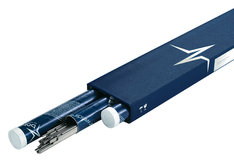 Drôt TIG BOHLER AVESTA 316L-Si/SKR-Si 1,2x1000mm/5kg (83645)
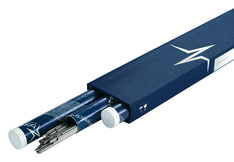 Drôt TIG BOHLER AVESTA 316L-Si/SKR-Si 1,6x1000mm/5kg (72797)
TIG wire BOHLER AVESTA 316L-Si/SKR-Si 2.0x1000mm/5kg (72798)
33,76 € incl. tax
Rurk wire. BOHLER CN 23/12-FD 309LT 1.2mm/15kg
27,49 € incl. tax
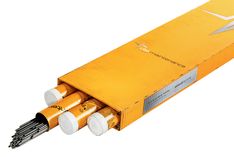 Drôt TIG BOHLER UTP A 759 2,0x1000mm (37486)
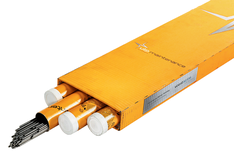 Drôt TIG BOHLER UTP A 759 2,4x1000mm (37485)
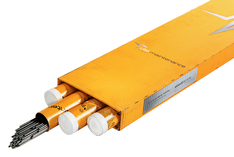 Drôt TIG BOHLER UTP A 759 3,2x1000mm (37482)
TIG wire BOHLER UTP A 759 1.6x1000mm (56469)
227,71 € incl. tax
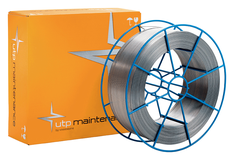 Drôt rurk. BOHLER UTP AF ROBOTIC 352 1,2mm /16kg K300 (Filtubdur 5) 15719
Rurk wire. BOHLER UTP AF ROBOTIC 352 1.6mm /16kg K300 (Filtubdur 5) 38736
13,48 € incl. tax
Electrodes BOHLER UTP 7100 3.2x350mm/4.5kg/80pcs (16020)
34,90 € incl. tax
Electrodes BOHLER UTP BMC 3.2x350mm/4.4kg/93pcs (14983)
41,38 € incl. tax
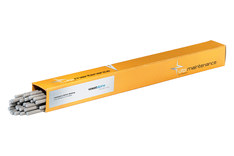 Elektródy BOHLER UTP LEDURIT 65 4,0x450mm/5kg (61732)
Electrodes BOHLER UTP LEDURIT 65 3.2x350mm/3.9kg/65pcs (61729)
54,05 € incl. tax
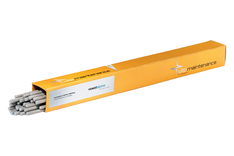 Elektródy BOHLER UTP 65 D 2,0x250mm/3,1kg/302ks (15776) (E312-17)
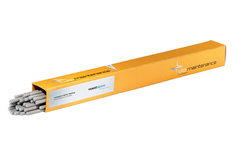 Elektródy BOHLER UTP 65 D 2,5x250mm/3,4kg/246ks (15793) (E312-17)
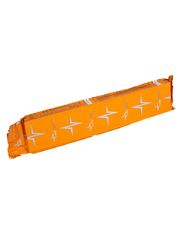 Elektródy BOHLER UTP 65 D 2,5x250mm/1,2kg (49362) (E312-17) Dry System 20
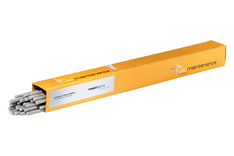 Elektródy BOHLER UTP 65 D 3,2x350mm/1,3kg (49338) (E312-17) Dry System 15
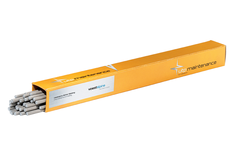 Elektródy BOHLER UTP 65 D 1,6x250mm/2,9kg/267ks (45933) (E312-17)
Electrodes BOHLER UTP 65 D 3.2x350mm/4.7kg/140pcs (16197) (E312-17)
41,29 € incl. tax
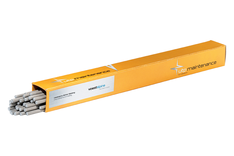 Elektródy BOHLER UTP 65 D 3,2x350mm/4,7kg/140ks (16197) (E312-17)
Elektródy BOHLER UTP 65 D 2,5x250mm/3,4kg/246ks (15793) (E312-17)
Elektródy BOHLER UTP 65 D 2,5x250mm/1,2kg (49362) (E312-17) Dry System 20
Elektródy BOHLER UTP 65 D 3,2x350mm/1,3kg (49338) (E312-17) Dry System 15
Elektródy BOHLER UTP 65 D 1,6x250mm/2,9kg/267ks (45933) (E312-17)
Electrodes BOHLER UTP 65 D 2.0x250mm/3.1kg/302pcs (15776) (E312-17)
58,43 € incl. tax
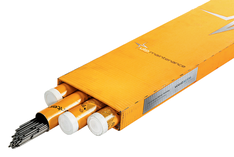 Drôt TIG BOHLER UTP A 759 1,6x1000mm (56469)
Drôt TIG BOHLER UTP A 759 2,4x1000mm (37485)
Drôt TIG BOHLER UTP A 759 3,2x1000mm (37482)
TIG wire BOHLER UTP A 759 2.0x1000mm (37486)
211,79 € incl. tax
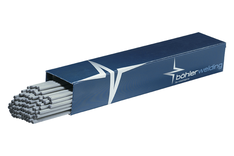 Elektródy BOHLER FOX EAS 4 M-A 2,0x300mm/3,6kg/320ks (E316L-17) (10089)
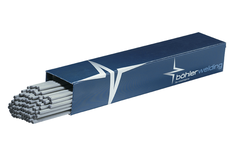 Elektródy BOHLER FOX EAS 4 M-A 3,2x350mm/4,1kg/120ks (E316L-17) (10086)
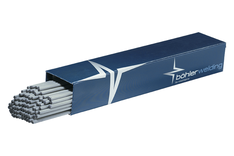 Elektródy BOHLER FOX EAS 4 M-A 2,5x350mm/4,1kg/200ks (E316L-17) (10085)
Electrodes BOHLER FOX EAS 4 MA 1.5x250mm/2.9kg/460pcs (E316L-17) (53041)
65,33 € incl. tax
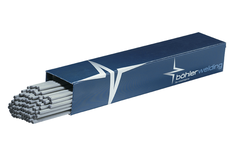 Elektródy BOHLER FOX E 308 H 2,5x300/3,6kg/215ks (11185)
Electrodes BOHLER FOX E 308 H 3.2x350mm/4.4kg/140pcs (11186)
41,13 € incl. tax
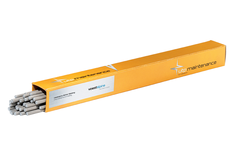 Elektródy BOHLER UTP DUR 350 4,0x450mm/6,2kg/90ks (10998)
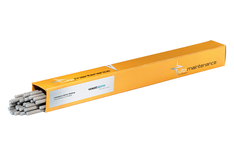 Elektródy BOHLER UTP DUR 350 5,0x450mm/6,0kg/55ks (10999)
Electrodes BOHLER UTP DUR 350 3.2x450mm/6kg/130pcs (10997)
24,16 € incl. tax
MIG wire BOHLER EMK 8 SG3 0.8mm /250kg (G4Si1) (56547)
3,10 € incl. tax
Solder Fontargen A 633 2.0x500mm Zn97Al3 (38764)
35,42 € incl. tax
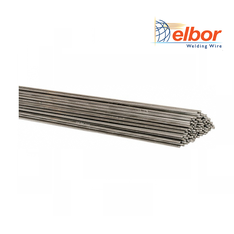 Drôt TIG ELBOR AlMg5 2,0x1000 (5356)
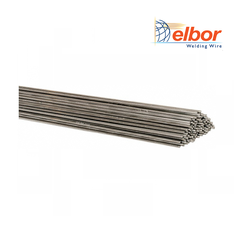 Drôt TIG AlMg5 2,4x1000 (5356) ELBOR
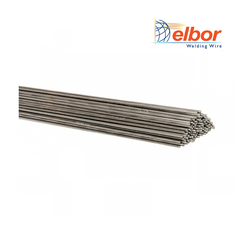 Drôt TIG ELBOR AlMg5 3,2x1000 (5356)
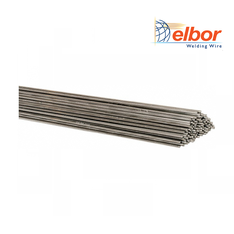 Drôt TIG ELBOR AlMg5 4,0x1000 (5356)
TIG wire ELBOR AlMg5 1.6x1000 (5356)
15,99 € incl. tax
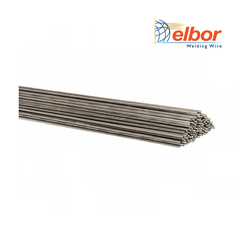 Drôt TIG ELBOR AlSi5 1,6x1000 (4043)
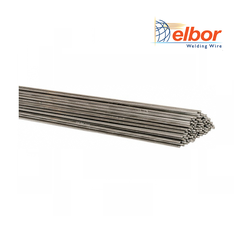 Drôt TIG ELBOR AlSi5 2,0x1000 (4043)
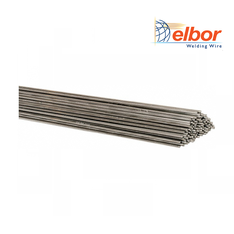 Drôt TIG ELBOR AlSi5 2,4x1000 (4043)
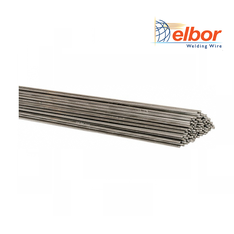 Drôt TIG ELBOR AlSi5 3,2x1000 (4043)
TIG wire ELBOR AlSi5 4.0x1000 (4043)
15,50 € incl. tax
Drôt TIG ELBOR AlSi5 1,6x1000 (4043)
Drôt TIG ELBOR AlSi5 2,0x1000 (4043)
Drôt TIG ELBOR AlSi5 2,4x1000 (4043)
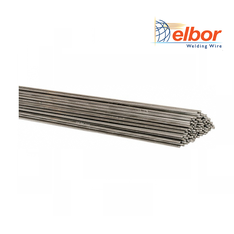 Drôt TIG ELBOR AlSi5 4,0x1000 (4043)
TIG wire ELBOR AlSi5 3.2x1000 (4043)
15,50 € incl. tax
Drôt TIG ELBOR AlSi5 1,6x1000 (4043)
Drôt TIG ELBOR AlSi5 2,4x1000 (4043)
Drôt TIG ELBOR AlSi5 3,2x1000 (4043)
Drôt TIG ELBOR AlSi5 4,0x1000 (4043)
TIG wire ELBOR AlSi5 2.0x1000 (4043)
15,74 € incl. tax
Pipe wire. BOHLER diamondspark 46 MC 1.2mm/250kg (30279) barrel
7,63 € incl. tax
Brass solder Fontargen A 101 2.0x500mm (Cu48ZnNi) CU 305 bare (81711) "German silver"
48,95 € incl. tax
MIG wire BOHLER EMK 6 SG2 1.0mm /18kg (G3Si1) 71290
3,76 € incl. tax
Pipe wire. BOHLER UTP AF ROBOTIC 600 1.2mm /16kg (38744)
20,53 € incl. tax


Popular product brands






























ZVARCENTRUM - VALTEC
VALTEC spol.s r.o., in the ZVARCENTRUM division, focuses on the entire range of products necessary not only for welders. Sales of welding equipment and accessories, attachments and consumables, power tools, AKU and hand tools, and sales of technical gases. In terms of services, we offer professional servicing of welding equipment, accessories and tools and sales of technical gases.
Address
Opening hours
Contact
VALTEC spol. s r. o.
Lieskovská cesta 13
962 21 Lieskovec
View on the map
| Monday: | 7:00 - 16:00 |
| Tuesday: | 7:00 - 16:00 |
| Wednesday: | 7:00 - 16:00 |
| Thursday: | 7:00 - 16:00 |
| Friday: | 7:00 - 16:00 |
| Saturday: | Closed |
| Sunday: | Closed |

Lieskovská cesta 13
962 21 Lieskovec